
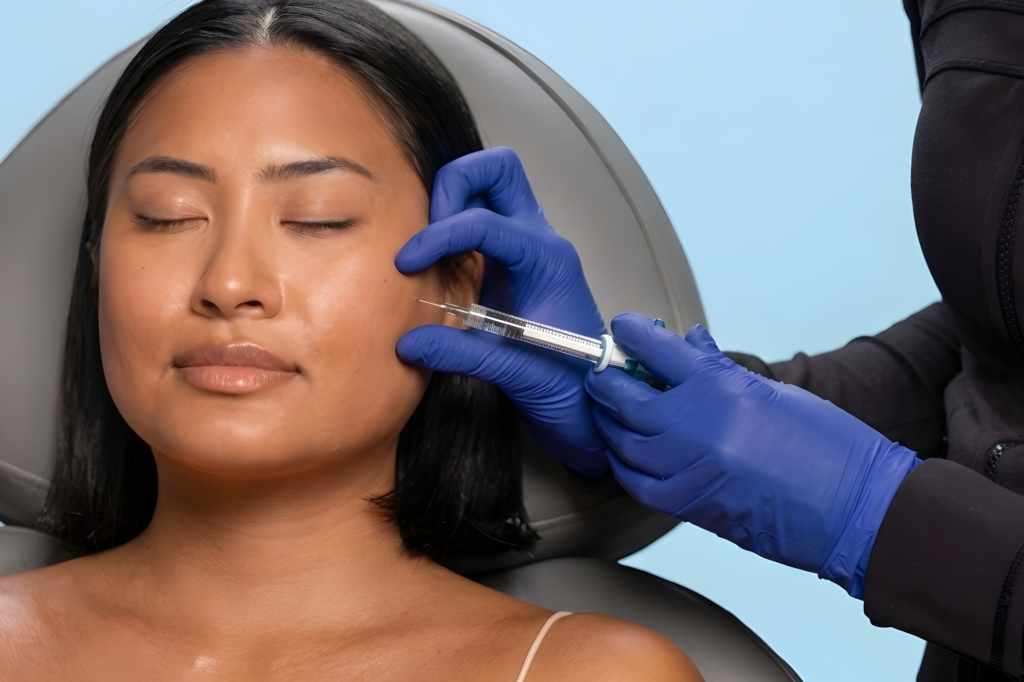
Supporting Relief, Comfort, and a More Balanced Facial Appearance
Teeth grinding — clinically known as bruxism — is a condition characterised by the involuntary clenching, grinding or gnashing of the teeth, most commonly during sleep but also during periods of stress or concentration throughout the day. It is far more common than many people realise and can have significant consequences for both dental health and facial appearance if left unaddressed.
Beyond the dental implications of bruxism — which should always be managed in conjunction with a dental professional — teeth grinding can have a notable impact on the appearance and comfort of the lower face. Chronic overactivity of the masseter muscle, which is the primary chewing muscle located at the angle of the jaw, can cause it to enlarge and overdevelop over time. This can contribute to a widened, squared or heavy jaw appearance, facial discomfort, headaches, jaw tension and a tired, strained facial expression.
At Symmetry Cosmetic Clinic, we take a personalised approach to addressing the facial concerns associated with bruxism. Our focus is on reducing masseter muscle hyperactivity through precisely placed wrinkle relaxer treatments — an effective and well-established approach that can relieve jaw tension, reduce grinding-related discomfort and refine the appearance of the lower face for a slimmer, more balanced facial profile.
Whether you are primarily seeking relief from jaw pain, tension and headaches or would like to address the cosmetic changes associated with masseter hypertrophy, a personalised consultation allows us to assess your concerns and develop an individualised treatment plan aligned with your goals.
Bruxism and the associated overdevelopment of the masseter muscle are influenced by a combination of factors. Understanding these contributors helps inform the most effective approach to treatment and management
The masseter is one of the strongest muscles in the body relative to its size and is responsible for the chewing and grinding movements of the jaw. In individuals who grind or clench their teeth — whether consciously or unconsciously — the masseter is placed under significant and repeated strain. Over time, this chronic overactivity causes the muscle to enlarge and hypertrophy, much in the same way that any repeatedly overworked muscle will grow stronger and larger. This can lead to a visibly widened or squared jaw appearance, facial asymmetry and persistent jaw discomfort.
Stress and anxiety are among the most significant contributors to bruxism. During periods of heightened stress, many people unconsciously increase jaw clenching and teeth grinding — both during sleep and throughout the day. Managing stress levels is an important part of a comprehensive approach to bruxism, alongside targeted treatment to the masseter muscle.
Sleep bruxism is classified as a sleep-related movement disorder and occurs involuntarily during sleep, often without the individual being aware of it. It is frequently identified by a dental professional through the visible wear patterns it creates on the teeth, or by a partner who hears the grinding during the night.
The alignment of the teeth and bite can influence the likelihood and severity of bruxism. Dental factors — including misalignment, missing teeth or an uneven bite — can contribute to jaw tension and grinding habits and should be assessed and managed by a dental professional as part of an overall bruxism management plan.
Caffeine consumption, alcohol, certain medications and lifestyle factors can all influence the severity of bruxism. Sleep quality, posture and overall stress management also play a role in how frequently and intensely grinding occurs.
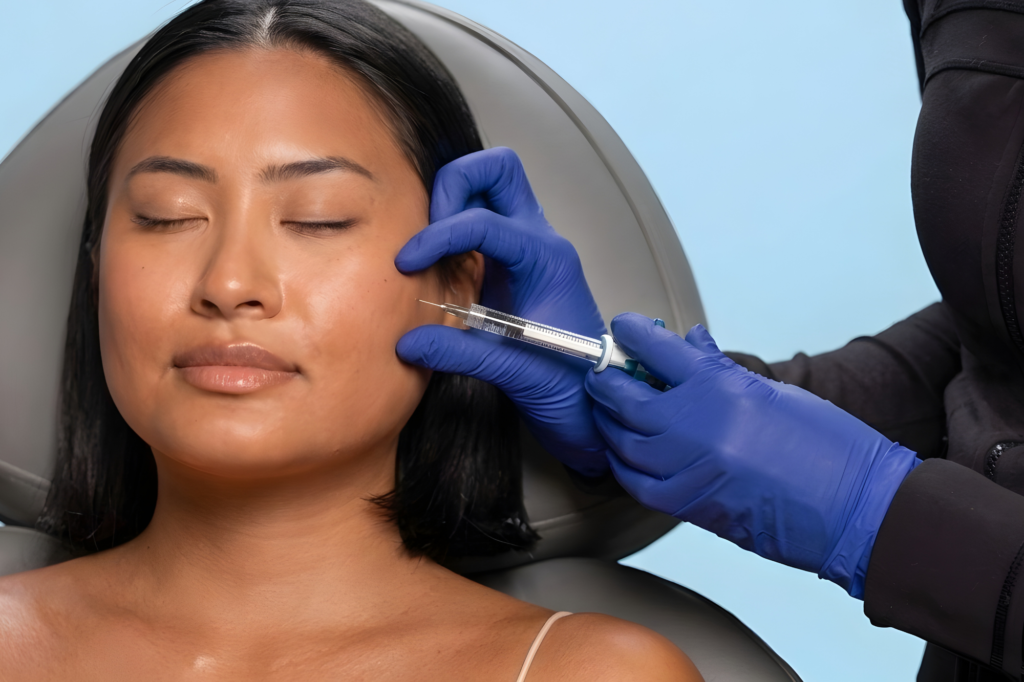
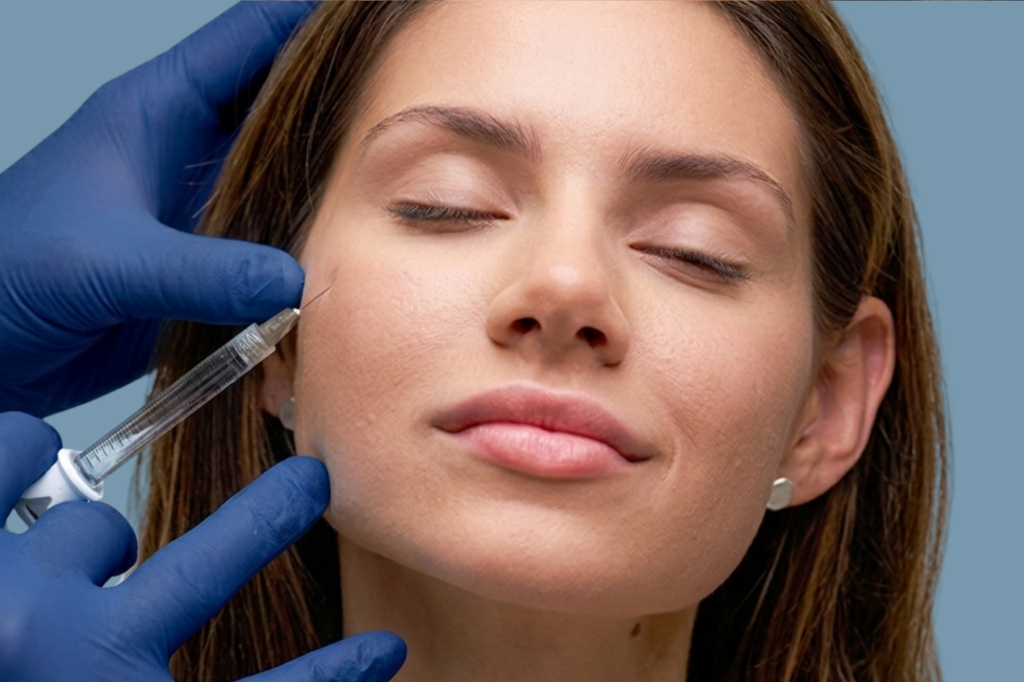
Your consultation begins with a detailed assessment of your masseter muscle size and activity, jaw tension, facial anatomy, treatment history and aesthetic and comfort concerns. We take the time to understand both the functional and cosmetic aspects of your bruxism to ensure your treatment plan is appropriately targeted and safe.
Based on your assessment, a customised treatment plan is developed. For most people, wrinkle relaxer treatment to the masseter muscle is the primary recommendation — an effective, well-tolerated and precise approach to reducing muscle hyperactivity, relieving jaw tension and refining the lower face contour.
Wrinkle relaxer treatment is precisely placed into the masseter muscle to reduce its activity and gradually decrease its size over a series of treatments. This can deliver meaningful relief from jaw pain, headaches and grinding-related discomfort, alongside a visible refinement in the width and shape of the lower face.
Managing bruxism with wrinkle relaxer treatment is an ongoing process. Treatments are typically repeated every four to six months, with the masseter muscle gradually reducing in size and activity over successive treatments. We provide continued support, treatment reviews and recommendations to help maintain your results and support long-term comfort and facial balance.
Teeth grinding and masseter hypertrophy are most effectively addressed through precisely targeted wrinkle relaxer treatment to the masseter muscle — reducing muscle hyperactivity, relieving associated discomfort and refining the appearance of the lower face over time.
At Symmetry Cosmetic Clinic, treatment for teeth grinding and masseter hypertrophy centres on wrinkle relaxer treatments delivered with precision and care to the masseter muscle. Depending on individual concerns and goals, this may be complemented by the Glass Facial, bio-remodelling, biostimulator treatments and medical-grade skincare programs to support overall skin quality and lower face harmony. Ongoing dental management is also strongly recommended as part of a comprehensive approach to bruxism care.
Our goal is to provide meaningful relief from the discomfort and facial changes associated with teeth grinding while restoring a more balanced, refined and comfortable lower face appearance.