Supporting Calmer, More Comfortable-Looking Skin
Rosacea is a chronic inflammatory skin condition that affects millions of people worldwide and can have a significant impact on both skin comfort and confidence. It is characterised by persistent facial redness, flushing, visible blood vessels and in some cases papules and pustules that can be mistaken for acne. Rosacea most commonly affects the cheeks, nose, chin and forehead and tends to follow a pattern of flares and remission — with symptoms worsening during certain triggers and improving during periods of relative calm.
Rosacea is a complex and nuanced condition that is frequently misunderstood and mismanaged. It cannot be cured, but with the right approach it can be effectively managed — reducing the frequency and severity of flares, improving skin comfort and significantly improving the overall appearance and quality of the skin.
At Symmetry Cosmetic Clinic, we take a personalised and sensitive approach to rosacea management. We understand that rosacea is not simply a cosmetic concern — it can be uncomfortable, unpredictable and emotionally taxing — and we are committed to developing tailored treatment plans that address both the visible symptoms and the underlying skin sensitivity driving the condition.
Whether you are in the early stages of rosacea or have been managing a more established and persistent condition for some time, a personalised consultation allows us to assess your skin, identify your triggers and develop an individualised treatment plan designed to reduce redness, improve skin comfort and support a calmer, healthier-looking complexion.
Rosacea is a multifactorial inflammatory skin condition with a range of presentations and subtypes. Understanding the nature of the condition and the factors that influence it is an important part of developing an effective and sustainable management approach.
Rosacea presents differently between individuals and is broadly categorised into several subtypes, each with distinct characteristics:
Erythematotelangiectatic rosacea is the most common subtype and is characterised by persistent facial redness, flushing and visible blood vessels — known as telangiectasia — across the central face. Skin affected by this subtype is often sensitive, reactive and prone to stinging or burning.
Papulopustular rosacea presents with persistent redness alongside acne-like papules and pustules, and is frequently confused with acne. Unlike acne, papulopustular rosacea is not driven by excess sebum or comedone formation and requires a different management approach.
Phymatous rosacea is characterised by skin thickening and an irregular, bumpy texture — most commonly affecting the nose, where it is known as rhinophyma. This subtype is less common and tends to affect men more frequently than women.
Ocular rosacea affects the eyes and surrounding area, causing redness, irritation, dryness and a gritty sensation. It frequently accompanies other subtypes of rosacea and may require management in conjunction with an ophthalmologist.
At its core, rosacea involves a dysregulated inflammatory response within the skin. The skin barrier in rosacea-affected skin is frequently compromised, making it more reactive, sensitive and vulnerable to environmental triggers. Supporting skin barrier health is a fundamental part of rosacea management and should underpin both professional treatment and daily skincare choices.
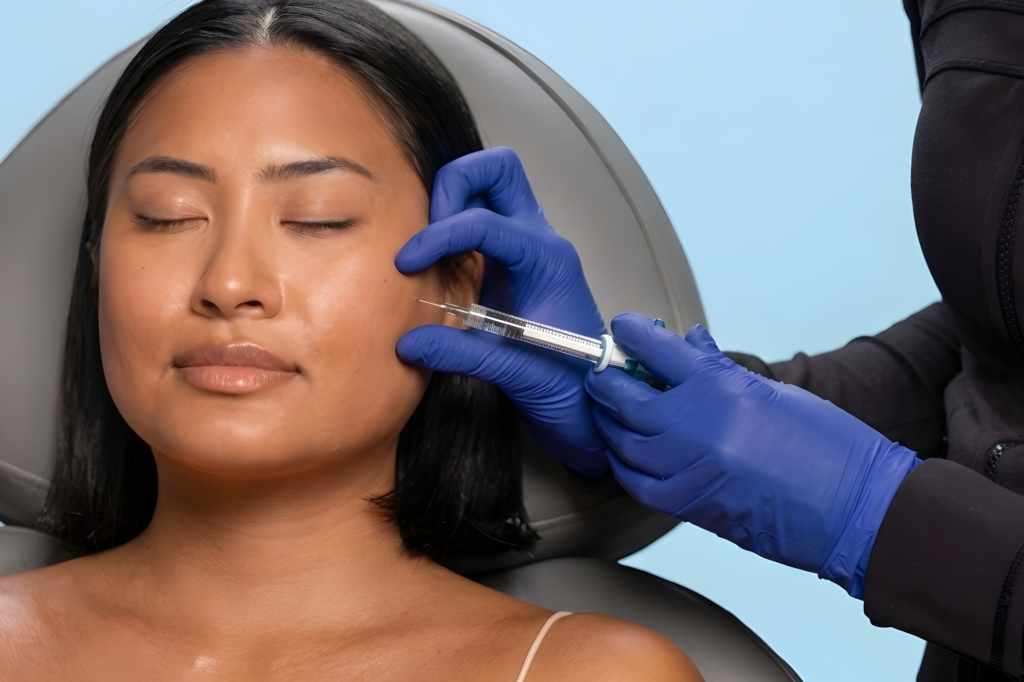
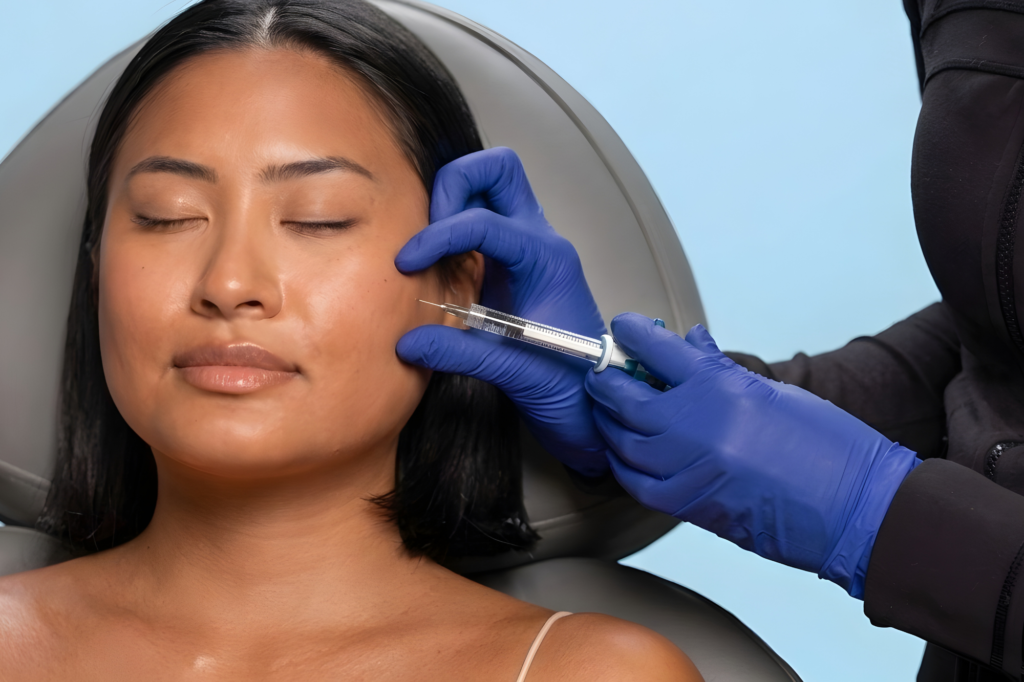
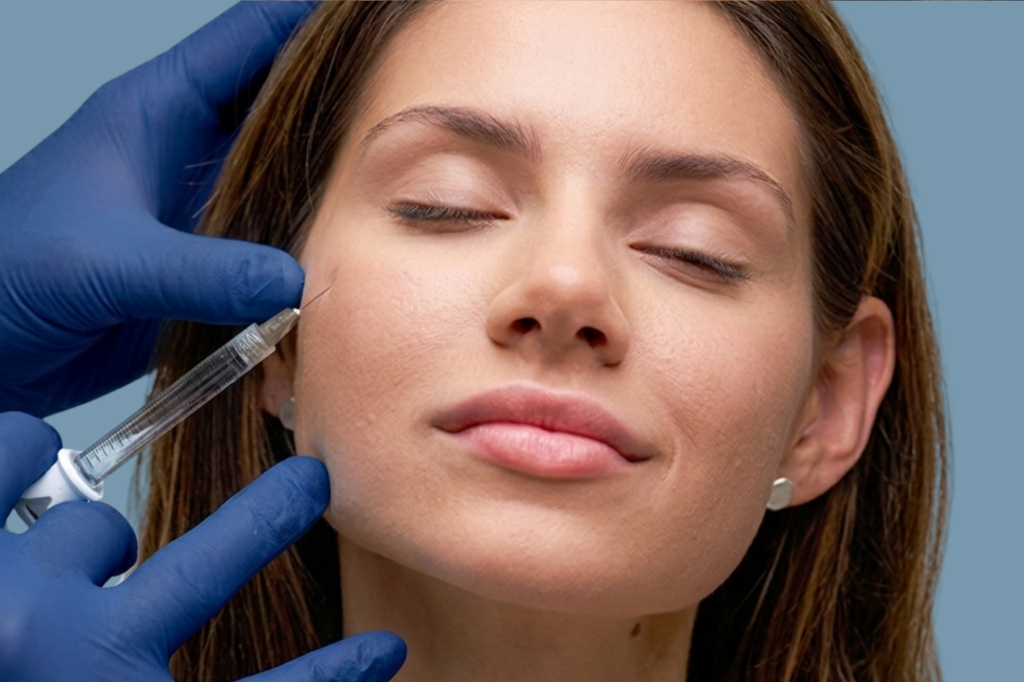
An increasingly recognised and effective approach to rosacea management involves the use of precisely placed intradermal botulinum toxin injections. By targeting the tiny muscles surrounding facial blood vessels and reducing the activity of sweat glands within the skin, botulinum toxin can help to reduce the flushing response, diminish persistent redness and improve overall skin tone and comfort. This approach is particularly beneficial for erythematotelangiectatic rosacea and for individuals whose rosacea is significantly influenced by flushing and vascular reactivity.
Rosacea is a trigger-driven condition, meaning that certain internal and external factors can provoke or worsen flares. Common triggers include UV exposure, heat, spicy foods, alcohol — particularly red wine — vigorous exercise, stress, certain skincare ingredients and extremes of temperature. Identifying and managing individual triggers is an important part of long-term rosacea control.
Rosacea tends to run in families and is more common in individuals with fair skin, light eyes and a Celtic or Northern European background, though it can affect all skin types and tones. A genetic predisposition to a heightened vascular and inflammatory response is believed to play a significant role in rosacea development.
The visible and unpredictable nature of rosacea can take a meaningful toll on confidence and emotional wellbeing. Persistent facial redness is frequently misinterpreted by others as embarrassment or alcohol use, and the chronic nature of the condition can lead to social anxiety and reduced quality of life. Acknowledging the emotional dimension of rosacea is an important part of the care we provide at Symmetry Cosmetic Clinic.
Your consultation begins with a detailed assessment of your rosacea subtype, symptom severity, trigger profile, skin barrier health, treatment history, lifestyle factors and skincare routine. We take the time to understand the full picture of your rosacea — including how it affects your daily life and confidence — to ensure your treatment plan is both appropriate and compassionate.
Based on your assessment, a customised treatment plan is developed. Rosacea management typically involves a combination of professional treatments to reduce redness, flushing and inflammation, alongside a carefully selected medical-grade skincare program designed to support the skin barrier, minimise reactivity and reduce the frequency of flares. Where appropriate, referral for medical management may also be recommended.
Selected treatments are performed according to your individual treatment plan, with the aim of reducing facial redness and flushing, calming inflammation, improving skin barrier function and supporting a more comfortable, even and resilient complexion.
Rosacea is a chronic condition that requires ongoing management rather than a single course of treatment. Symptoms can fluctuate with seasons, lifestyle changes and life stages, and your treatment plan may need to be adjusted over time. We provide continued support, treatment reviews and skincare recommendations to help maintain skin calm and support long-term rosacea management.
Rosacea is a complex inflammatory skin condition that requires a careful, considered and individualised approach to management. Treatment focuses on reducing redness, flushing and inflammation, supporting skin barrier health, minimising trigger responses and improving overall skin comfort and quality.
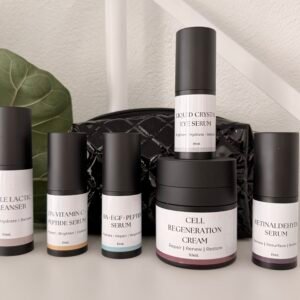
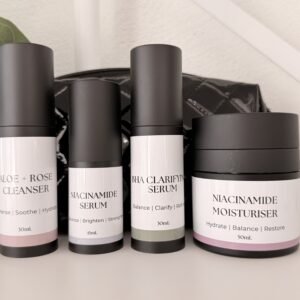
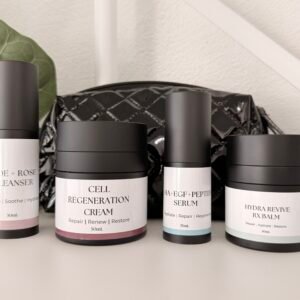
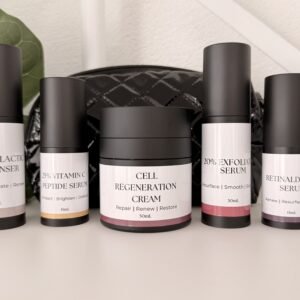
At Symmetry Cosmetic Clinic, treatment recommendations for rosacea may include wrinkle relaxer treatments to reduce flushing and vascular reactivity, bio-remodelling to deeply hydrate and support skin barrier function, LED light therapy, professional skin peels carefully selected for sensitive and reactive skin, signature facials and medical-grade skincare programs specifically formulated to support rosacea-prone skin. All treatment selections are made with careful consideration of skin sensitivity and the inflammatory nature of the condition to ensure treatments are appropriate, well-tolerated and beneficial.
Our goal is to help reduce the visibility and impact of rosacea symptoms while supporting a calmer, more comfortable and healthier-looking complexion — and a better quality of life — for the long term.